

This results in higher amortization expenses in the earlier years and lower amounts later on. The straight-line method is the most common approach for amortization expenses. It spreads the cost of the asset evenly across each accounting https://live-techno-learngreater.pantheonsite.io/2023/05/05/working-capital-definition-and-formula-management/ period in its useful life. Due to its simplicity and predictability, it is the default method under GAAP.

Variable Interest Rates
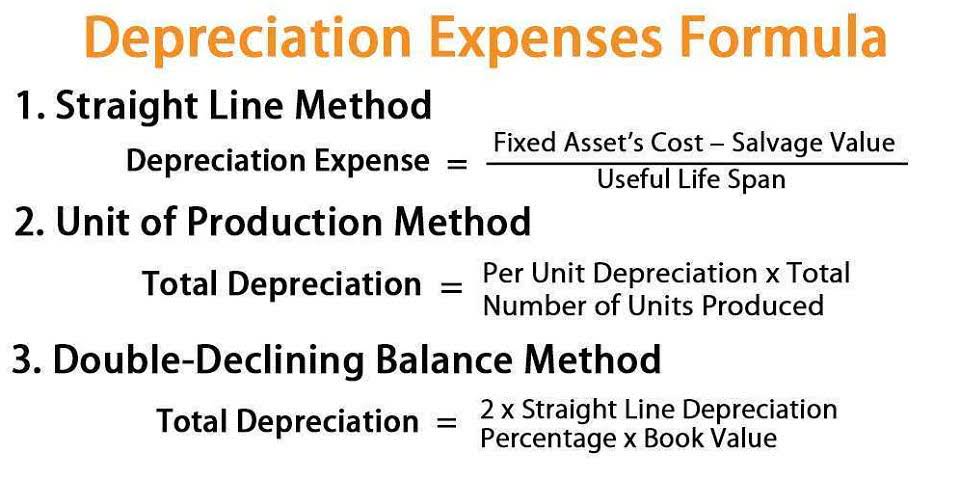
The cost of the building minus its resale value is spread out over the predicted life of the building with a portion of the cost being expensed in each accounting year. Premium amortization affects bondholders by reducing the overall yield on their investment over time. Bondholders receive lower interest income than anticipated as periodic payments gradually write off premiums. To account for this premium, periodic interest adjustments are made to gradually reduce the discount over time.
Loan Interest Deductions
If 10,000 transactions occur in a year, the amortization expense is $20,000. An amortization schedule is a detailed table that shows each payment on a loan, breaking down the portions allocated to interest and principal. It also tracks the outstanding balance over time, offering transparency and predictability for financial planning. Overall, amortization provides clear insights into loan repayments or asset value reductions, making it amortization refers to the allocation of the cost of assets to expense. essential knowledge for borrowers, lenders, and accountants alike. Understanding amortization is crucial when managing loan obligations, budgeting effectively, or correctly representing company assets.
What Is an Amortization Schedule?
- The impairment loss is reported as a separate line item on the income statement as an expense, and new adjusted value of goodwill is reported in the balance sheet.
- Amortization and depreciation are similar concepts but apply to different types of assets.
- A crucial factor in the amortization schedule is the interest rate, a percentage that determines the cost of borrowing over time.
- Historically, principal payments on loans were only made at maturity, with interest paid periodically.
- Generally speaking, an asset can be amortized if its benefits will be realized over a period of several years or longer.
- This expense is deducted from the revenues generated by the asset, contributing to the determination of net income.
While depreciation is used for tangible assets, like machinery and inventory, amortization is used for intangible assets, such as intellectual property or computer software. I’ll provide examples for both loan amortization and amortization of intangible assets. Amortization schedules are essential tools, providing a detailed breakdown of loan payments over time. They illustrate the distribution of each payment between interest and principal, offering borrowers a clear picture of their financial commitments. This transparency aids in budgeting and forecasting, allowing for effective cash flow planning.

Although most bank loans have similar payment dues, amortized loans spread out equally during the payment period. An agile finance team will be prepared not just for net sales current expenses but for the future too. With amortization’s help, you will know how much you will incur in the future because of your loans and assets. Accurate estimation of these expenses is essential for expense forecasting.
